Water reuse · Resorts, hotels & campsites

Water reuse at resorts, hotels and campsites: showers, laundry and mixed wastewater back to irrigation, cleaning and toilets

Resorts, hotels with pools or landscaping, and campsites all produce recoverable wastewater. Caskade evaluates which part of the water can be reused, for what purpose, and finds the optimal solution by comparing manufacturer proposals for your site.

Up to 80%

in reuse rates achievable with modern technologies from specialised manufacturers. We compare proposals on tech and ROI for your site.

Payback as fast as 2 years

thanks to high reuse rates of specialised devices and our ROI comparison of vendor proposals

No need to install new tubing.

Separate tubing for regenerated water is not necessarily needed. Read more

Starting point: water reuse at resorts and campsites

On-site water reuse means treating wastewater streams and returning them to non-potable uses: toilet flushing, garden and golf irrigation, hard-surface washing, exterior cleaning and, in some cases, pool or laundry makeup.

Recoverable flow depends on seasonal occupancy, plumbing separation and peaks (weekends, high season, events).

A grid-connected resort and a rural campsite without sewer do not share the same economics: at the latter, replacing tanker haulage or reducing borehole abstraction is often the primary driver.

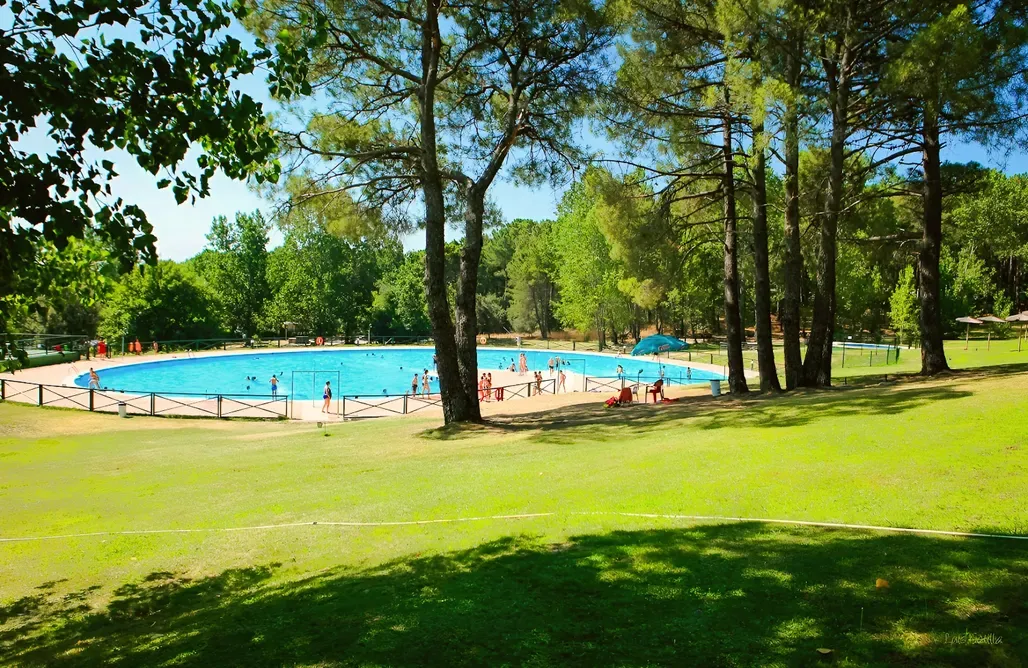
Resort with pool and landscaping

Resorts and golf courses

Resorts with pools, gardens and fairways see peak shower demand in summer, when irrigation needs are highest.

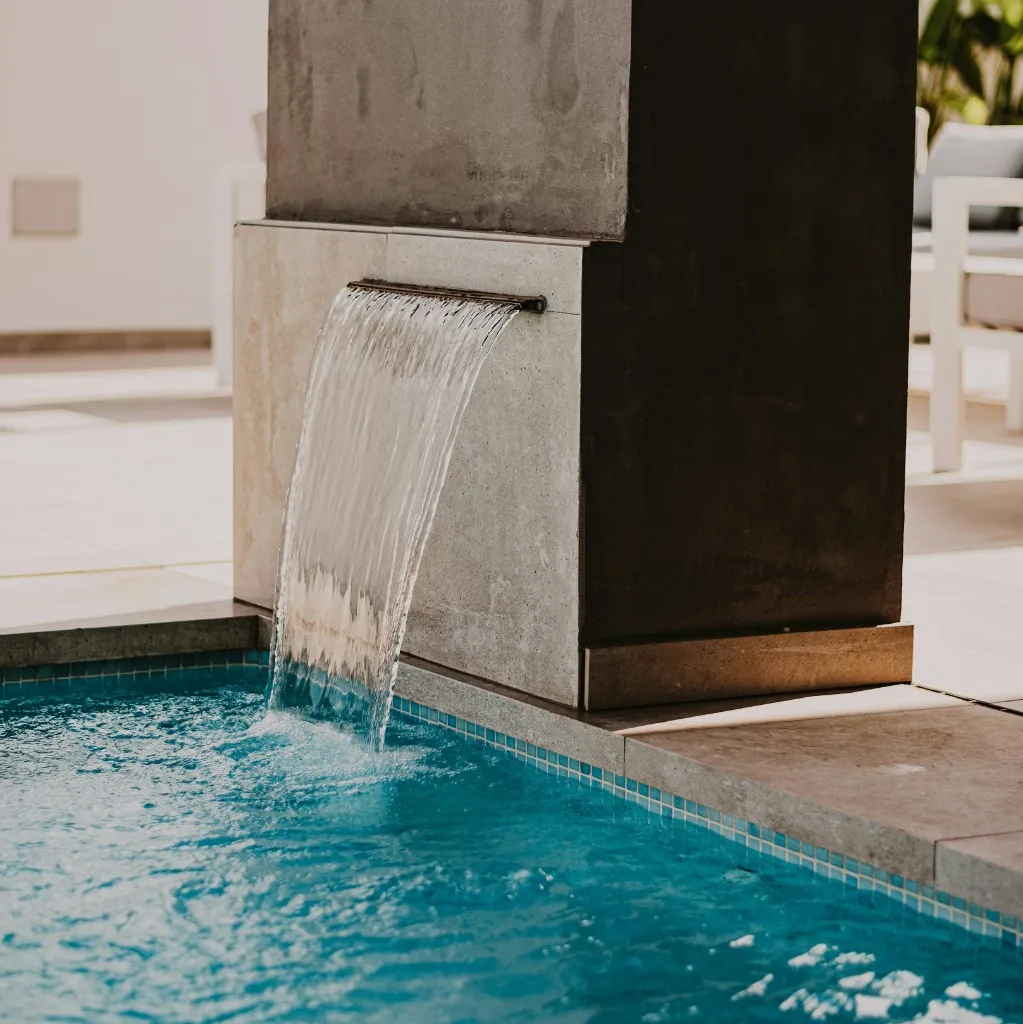
Hotel pool and landscaped green areas

Hotels with green areas

Hotels with gardens, terraces or spa facilities often combine steady irrigation demand with guest-room water use on the same site.

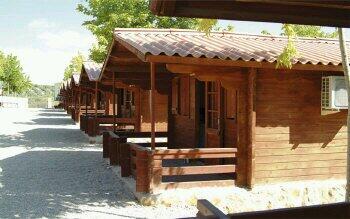
Bungalow campsite

Campsites, bungalows

Campsites without sewer rely on tankers or boreholes, and seasonality makes cost per occupied night the most honest economic metric.

Where water management shows up as a cost line

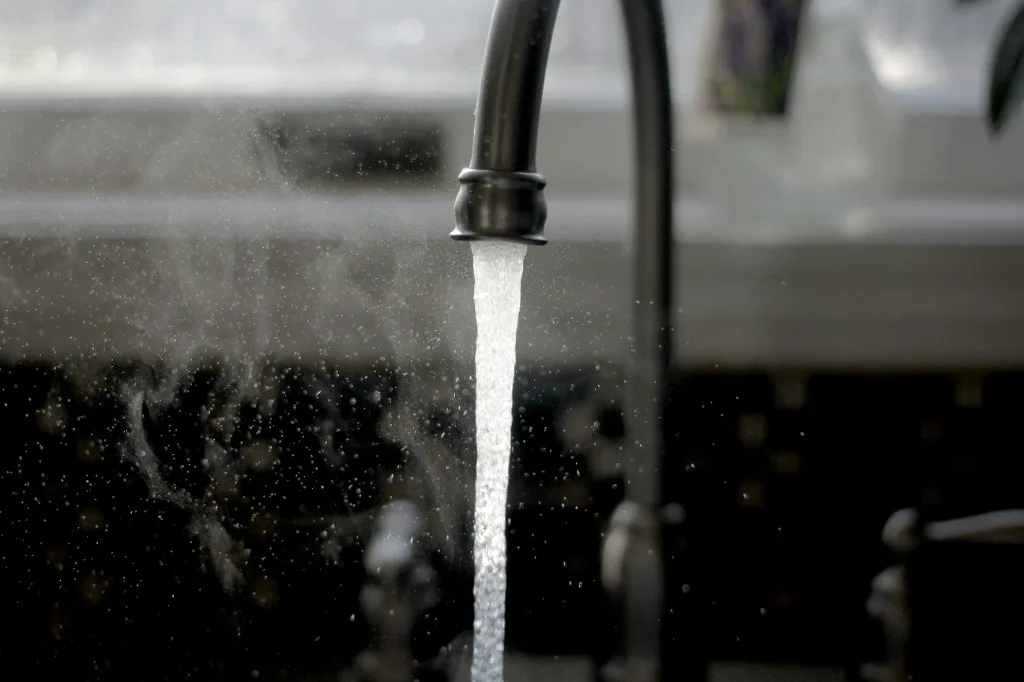
Running tap with aerated water stream

Water and utility bills in high season. Hotels and resorts with gardens, pools and laundry can spend half their potable water on services (toilets, irrigation, cleaning). When tariffs rise or contracts renew, recycling shifts from a sustainability project to an operating line item. The comparison needs your bills, not a brochure percentage.

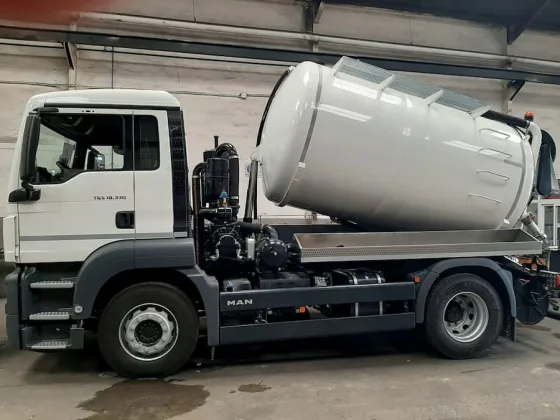
Vacuum tanker truck evacuating wastewater from an off-grid site

Tankers and off-site haulage. Rural campsites and resorts without municipal sewer often evacuate wastewater by truck. In peak season the OPEX is recurring and predictable, often higher than it looks invoice by invoice. The calculation must include real frequency, seasonality and operational downtime cost.

Resort landscaping and pool area

Irrigation, gardens and golf. Landscaping and fairways concentrate demand in dry months, exactly when supply gets more expensive or restricted. Treated water fits here before demanding-quality uses, if the site water balance supports it.

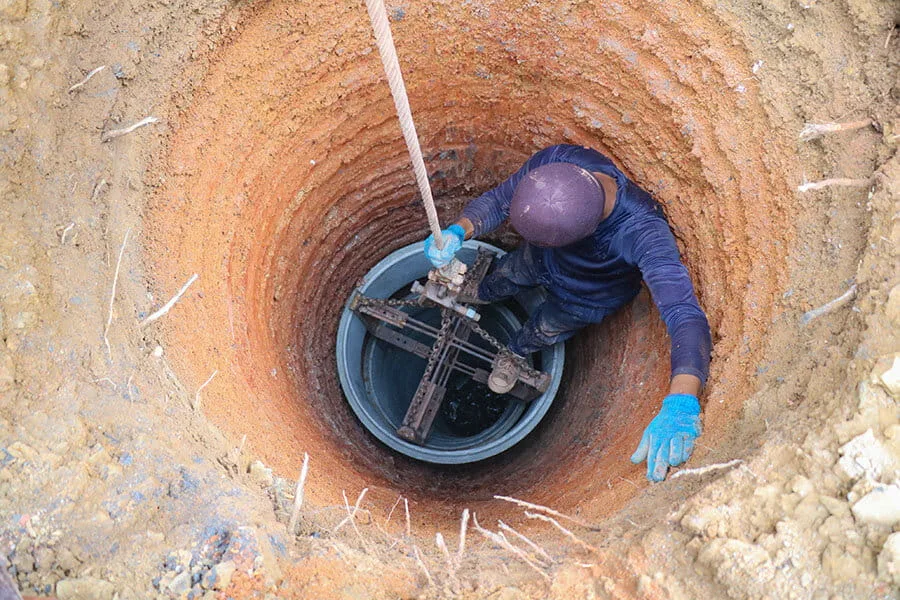
Worker inspecting a borehole well shaft

Boreholes, allocations and source quality. On sites with their own wells, drought-related allocation cuts or water-quality non-compliance force action even without a local reuse mandate. Loop treatment reduces dependence on new abstraction; real cost includes civil works and operations, not just the treatment skid.

What are the largest reusable water streams?

Greywater (showers, sinks)

40 to 45%

Guest showers and washbasins; highest recoverable volume, peaks at check-in and high season

Blackwater (toilets)

25 to 35%

All guest and staff WCs; treatable in a mixed plant with state-of-the-art treatment equipment

Laundry (washing machines)

10 to 18%

On-site hotel or bungalow laundry; often better as a dedicated reuse loop

Pool

5 to 12%

Backwash and blowdown; keep on a separate circuit, do not mix with shower water

Blended engineering estimates for a typical resort, hotel or campsite, not meter readings. Greywater and laundry streams usually drive treatment sizing; pool stays on a separate circuit.

What are the most lucrative reuse routes?

Each scenario has different economics and feasibility:

  • What's the biggest cost driver? Tanker trucks? Freshwater? Drought penalties?
  • What are reusable water flows and what does the plumbing look like?
  • What can you use the regenerated water for given the regulatory context?

At a grid-connected hotel, the driver is usually project defensibility for leadership and operations. At an off-grid campsite, it is usually replacing recurring haulage. Do not blend both into one marketing ROI.

LoopVolume impactViability
Recovered water → guest and staff toiletsHighBest first loop at hotels and campsites
Recovered water → irrigation, gardens, golfHigh at resortsStraightforward when seasonal demand exists
Recovered water → exterior cleaning and washingMediumGood second step
Recovered water → pool makeupLow to mediumSeparate circuit and chlorine management
Locally purified water → off-grid campsite servicesHighOften the main economic argument
Recovered water → direct guest contact usesLowPhase 2; rarely the first step

Treatment trains: not every site needs the same compact package

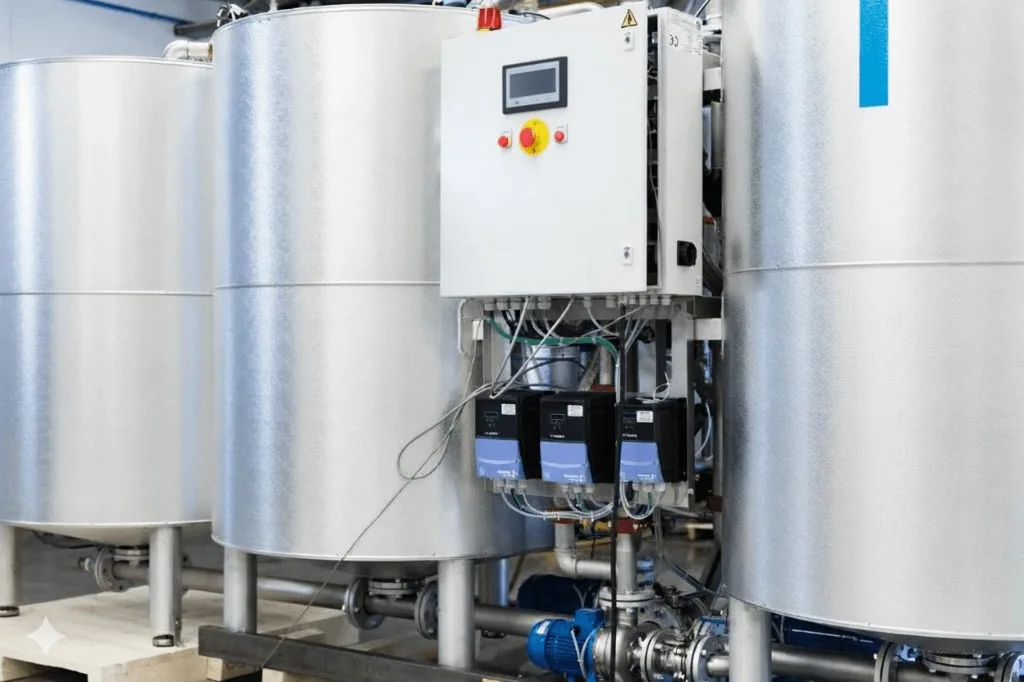
Compact stainless-steel greywater treatment skid
Centralised

Greywater reuse

When showers and sinks can be kept separate from toilets and kitchen waste, you treat a lighter stream at lower cost. Often the first route for irrigation and toilet flushing. Dual plumbing helps but is not always required if outdoor reuse comes first.

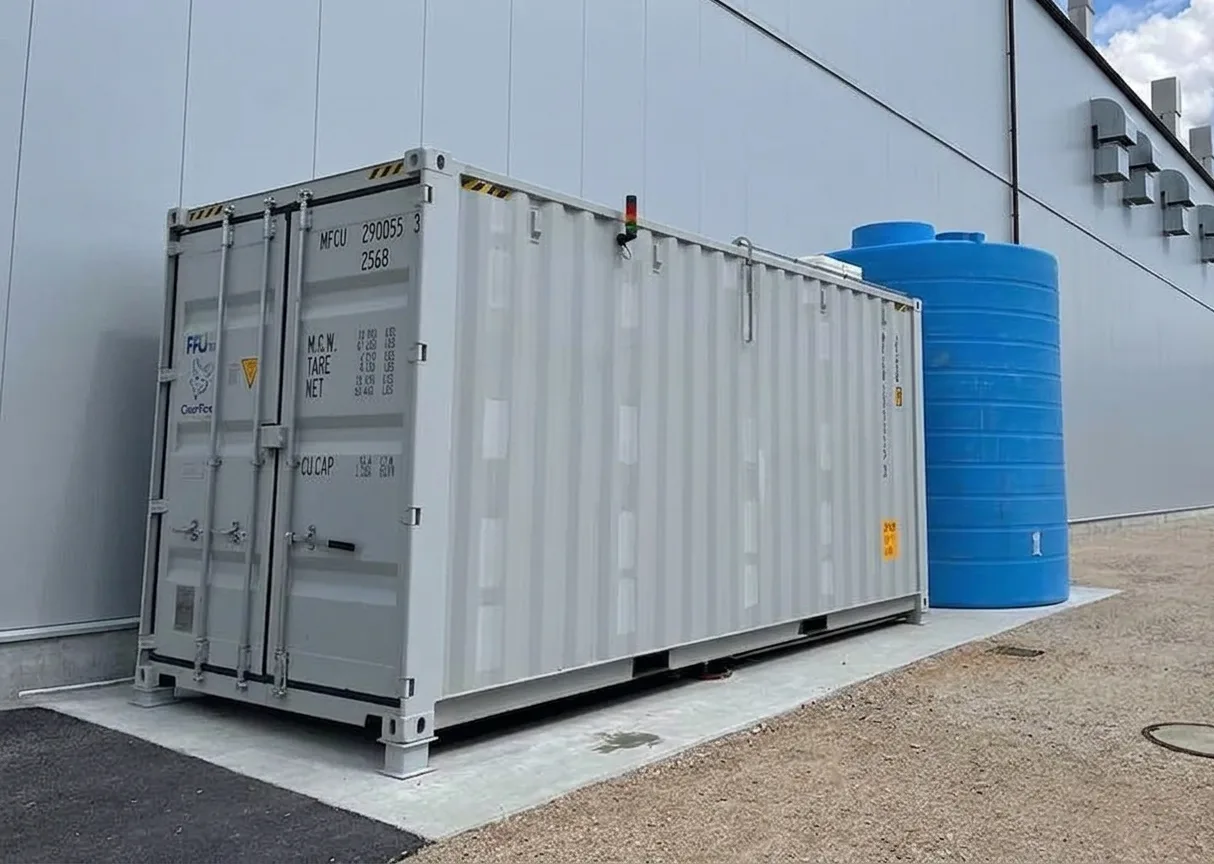
Containerised industrial wastewater treatment unit at a hospitality site
Centralised

Mixed wastewater reuse

When every stream already flows to one tank, as at many resorts and campings, one central plant treats the full mix. Higher load than greywater-only, but one system can cover toilets, irrigation and cleaning. Suited to sites cutting tanker haulage or a large municipal water bill.

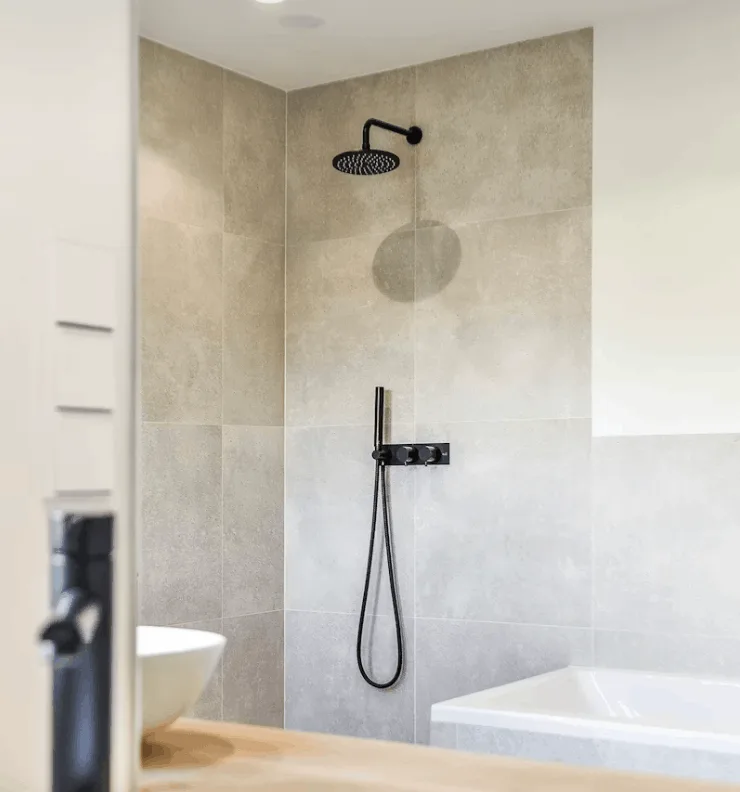
Modern shower and washbasin fixtures for point-of-use water recovery
Centralised / point-of-use

Circular showers & taps

Recovery at the shower or washbasin without site-wide pipework. Fits bungalow rows, communal shower blocks and phased retrofits. Lower volume per unit, but useful where central plant space is scarce or you want to prove operation before a full-site commitment.

Containerised on-site laundry water reuse unit
Centralised / point-of-use

Laundry water reuse

Hotels and resorts with on-site laundry can recover roughly 75 to 90% of wash water and heat without replacing machines. A dedicated laundry loop is separate from guest-room water and often pays back on water, sewer, gas and detergent together.

See industrial laundries

Send us your available water volume, quality reports if you have them, and a quick site description. We compare specialised manufacturer proposals and come back with the most lucrative reuse routes for your site.

Get my comparison

Hospitality references

Scale and local rules differ. Comparing centralised treatment against point-of-use options on the same site data is what makes the difference.

Camping and bungalow resort with circular showers and water reuse
Hospitality

Payback: 13 months

Camping & bungalow resort

Camping Úbeda S.L. · Úbeda, Andalusia, ES

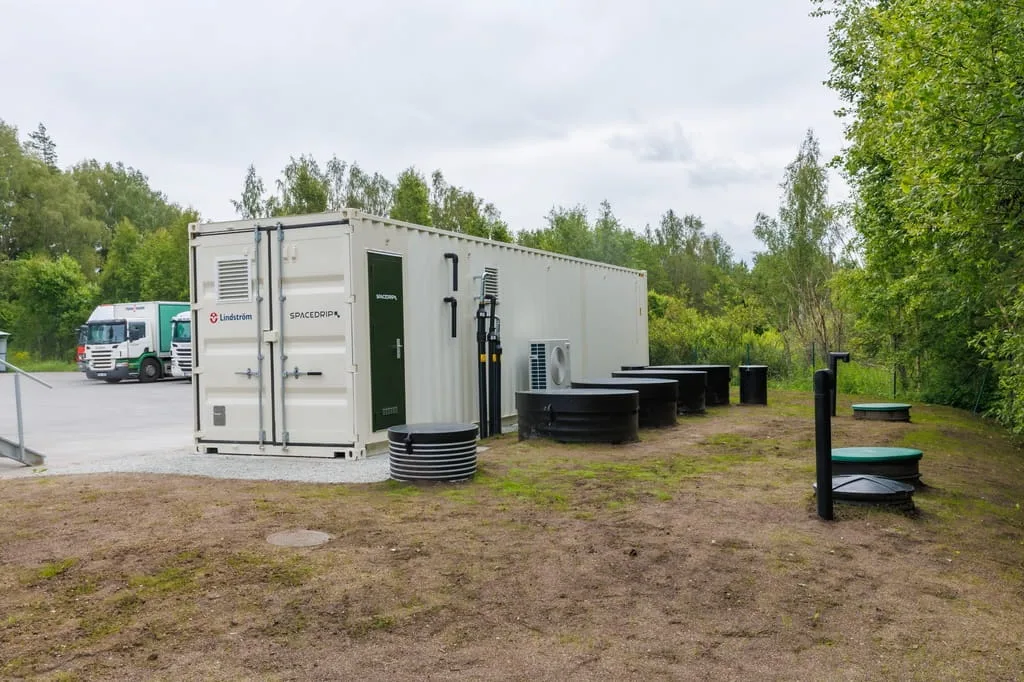
Without access to a sewer, the site paid for wastewater disposal via tanker trucks → installed circular showers and centralised water reuse → payback in 13 months with more than 70% wastewater recovery.

Tamarit Beach Resort campsite with pools, gardens and beachfront bungalows
Hospitality

Payback: 2.6 years

Beach resort & campsite

Tamarit Beach Resort • Altafulla, Costa Daurada, ES

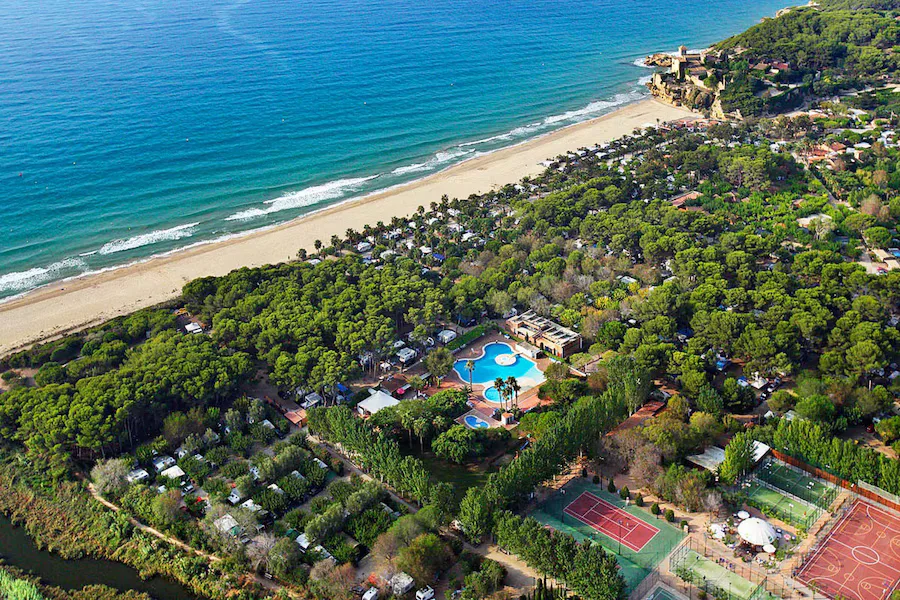
4-star beach resort and campsite → compared four manufacturer routes (centralised treatment vs circular showers) → recommended full-site reuse at 95% recovery with 2.6 year comparable payback.

Regulatory context

Centralised

Reuse for irrigation & cleaning

When treated water is routed to irrigation, gardens or exterior cleaning rather than recirculated in the same process, EU and national water reuse rules apply. For on-site systems this aligns with EN 16941-2:2021 (on-site non-potable water systems).

  • Documented risk management plan for the reclaimed water
  • Authorisation for production and supply
  • Marked regenerated water plumbing (purple)
  • Lab analysis according to water safety class

In Spain, the EU framework is reflected in RD 1085/2024.

Centralised

Reuse incl. in toilets

Toilet flushing as an end use typically requires mixed-wastewater treatment or dedicated blackwater handling. The same EU and national authorisation framework applies, but regulators scrutinise the treatment train and performance guarantees more closely than for irrigation-only routes.

  • Marked non-potable distribution network to each WC
  • Higher disinfection and monitoring requirements than irrigation-only routes
  • Mixed wastewater plants follow the same permit structure with closer scrutiny of treatment guarantees
Point of use

Circular showers, taps and laundry machines

Closed loop at the shower, tap or machine with no change of application. Circular showers, recirculating washbasins and in-machine laundry loops that return water to the same process sit outside EU and national reuse authorisation frameworks: no risk plan, no production authorisation, no dual plumbing on that basis. Often the simplest regulatory path, with lower volume per unit.

How it works

We narrow the market, you make an informed decision

500+ specialised vendors

Caskade compares solutions from our network of 30+ vendors based on your site and effluent data

The best solution for your site

Caskade requests and evaluates 3+ proposals on cost and technology.

Analysis

The effluent

Contaminant load, volume, variability

The site

Existing infrastructure, connection points

Possible uses for reclaimed water

E.g. process recirculation or non-potable uses.

Evaluation

5+technologies
Membrane-based
Physical/Chemical
Bioreactors
Conventional Biology
(Advanced) Oxidation
30+manufacturers

500+ in our databases

Comparison

3+ indicative proposals from specialised manufacturers

Possibly with different reclaimed-water use cases and/or technology routes

Recommendation

The most cost-effective and robust solution for your site and effluent

Lease financing available in Spain.

NEXT STEPS

The fastest path to a defensible greywater project

1

Data capture

NO SITE VISIT

Capture layout, intended uses, water or tanker bills, quality analysis or known gaps.

2

The report

Compared routes, indicative budgets from filtered manufacturers and a documented recommendation.

3

Selection

Manufacturer conversations with context and reference pricing.

4

Installation

Less dependence on grid or haulage, operations with defined controls.

What you receive

  • 3+ indicative proposals, requested from specialist manufacturers filtered for your site.

  • A real comparison of returns and technologies.

  • A documented recommendation you can defend with leadership and operations.

  • Local regulatory context: which requirements apply in your jurisdiction.

Price

Free* if you can provide:

  • Your water bills or tanker haulage invoices (for return calculations)

  • A laboratory analysis of the water (for equipment design)#

*Manufacturers pay. #If you do not yet have lab analysis, we arrange it for a fixed fee. See FAQ for full pricing.

Let us help you do the calculation, based on specialised manufacturer proposals for your site

Send us your available water volume (m³/day or m³/month), water quality analysis reports if you have them, and a quick description of your process. We come back with the most lucrative treatment/reuse routes as well as real OEM proposals tailored to your site, with ROI and technological comparison.

FAQ

Frequently asked questions

What regulations apply to greywater reuse?

It depends on jurisdiction and whether the site has municipal sewer connection. We translate local requirements into verifiable project parameters.

Do I need laboratory analysis before starting?

Not always. We start with available information and document gaps and a closure plan; without data, design stays indicative.

How much can I save?

A prudent range is 30 to 50% where service-water reuse applies. At off-grid campsites the driver is usually replacing tankers. Paybacks with boreholes and civil works can exceed 10 years, so we compare OPEX, not brochure CAPEX alone.

Why is a standard package not enough?

Occupancy, plumbing separation and chosen uses change the train. Without a common baseline you lose defensibility when questions arrive.

Is a grid-connected hotel the same as a campsite without sewer?

No. Economics, technology and internal approvals differ. The comparison must start from the real site profile.

Does EvalAgua sell treatment equipment?

No. We compare routes and manufacturers in a common framework and disclose that we may receive a commission if the project proceeds.

How much does an Eval cost?

If you can provide your water invoices (so we can size the project and calculate the return) and a water analysis lab report, your Eval is free: the manufacturers we bring into the comparison pay us, not you. This typically applies to campsites, hotels, resorts, industrial laundries, retrofits of existing treatment plants and many industrial projects.

If you don't have a lab report yet, we arrange sampling and analysis as part of the Eval, at cost. Ask us for a quote.

Extended-scope projects (multiple sites, multiple effluent streams, tender specifications, financing documentation) carry fixed fees, which we share after a first call.

And on any paid Eval, we refund 50% of the fee when your project is installed through a manufacturer we introduced, within 12 months of delivery, for installations from 25,000 euros.